

When faced with a power outage, having a solar powered generator can be invaluable. These devices harness energy from the sun, providing a sustainable solution for backup power needs. But what exactly can a solar powered generator run during an outage? From keeping your fridge cool to ensuring your communication devices stay online, a well-chosen generator can make life much more manageable. Understanding the capabilities of your solar powered generator, like those of the versatile Anker SOLIX, is crucial. Whether you need to power your fridge for a few days or keep essential medical equipment running, knowing how to match your generator’s capacity to your needs will maximize its efficiency. Solar generators offer a smart alternative to traditional fuel generators, being silent, eco-friendly, and easy to use, ensuring you remain comfortable and connected during unexpected outages.
What Can a Solar Powered Generator Run During an Outage?
Essential Home Appliances You Can Power Safely
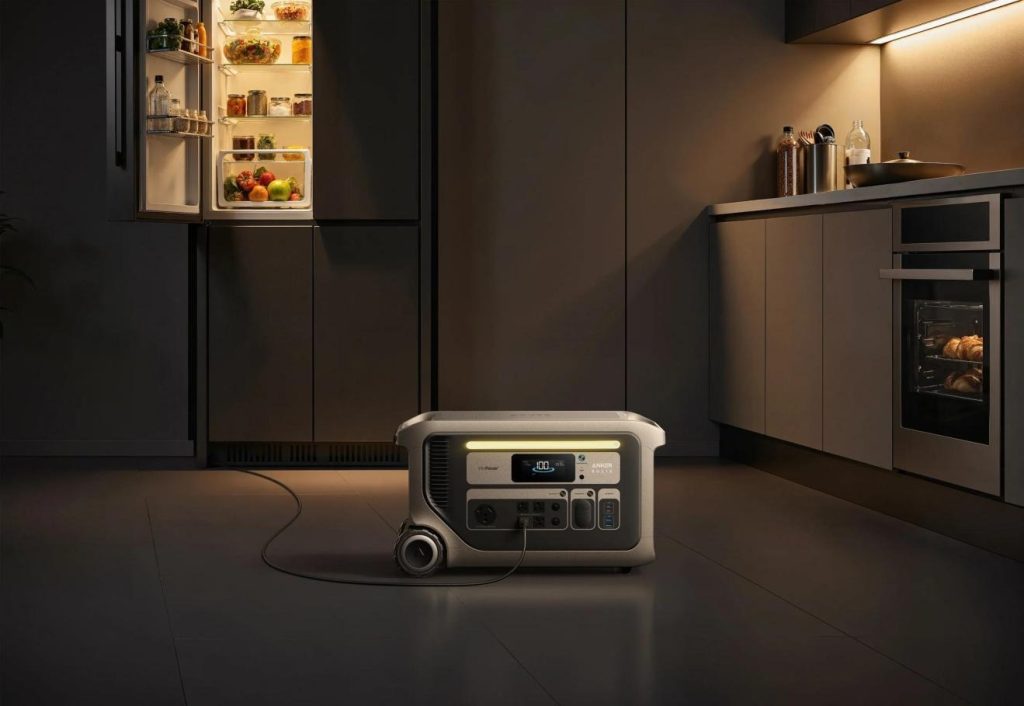
During an outage, keeping essential home appliances powered is a top priority. A solar powered generator like the Anker SOLIX can efficiently run devices such as refrigerators, ensuring that food remains fresh. For instance, the Anker SOLIX F3000 model is engineered to support low power consumption, allowing it to cool a standard 8 cu.ft fridge for up to two days. This capability is a game-changer during extended blackout periods. Lighting is another critical need during outages. The Anker SOLIX can power LED light bulbs, which are energy-efficient and provide sufficient illumination for household activities at night. Additionally, the generator can handle other small appliances such as microwaves and fans. By efficiently powering these essentials, a solar powered generator can significantly enhance comfort during power interruptions, ensuring your home continues to operate smoothly even when the grid is down.
Electronics and Communication Devices That Stay Online
Staying connected during a power outage is vital, and a solar powered generator can ensure your electronics and communication devices remain operational. The Anker SOLIX allows you to power up your smartphones, tablets, laptops, and routers, maintaining your link to the outside world. The generator provides a stable power output, enabling you to recharge these devices multiple times, which is particularly useful in extended outage scenarios. The ability to keep your devices charged means you’ll still have access to information, updates, and communication channels, reducing isolation and stress during emergencies. Moreover, powering communication devices can support remote work or study needs when electricity is unavailable, minimizing disruptions to your daily life. Thanks to their renewable energy source, solar generators provide an eco-friendly way to keep critical devices running smoothly without relying on noisy, emission-heavy fuel generators.
Medical, Heating, and Emergency Equipment to Prioritize
For those relying on medical equipment, a solar powered generator is critical. Devices such as CPAP machines, oxygen concentrators, and other essential medical tools can be run effectively during a power outage. The Anker SOLIX is capable of supporting such equipment with its reliable power delivery. This ensures that individuals with medical needs remain safe and comfortable, even when grid power is unavailable. Additionally, in colder climates, maintaining heat during an outage is a pressing concern. While a solar powered generator may not run an entire HVAC system, it can provide power to smaller space heaters to ensure warmth in critical areas of the home. Finally, emergency equipment like radios, flashlights, and battery packs can be recharged, keeping you prepared for evolving situations. Prioritizing these essential needs ensures that your household remains safe and secure, even during prolonged power outages.
How to Match a Solar Powered Generator to Your Power Needs
Understanding Wattage, Surge Power, and Runtime Limits
To maximize the efficiency of a solar powered generator, it’s essential to understand wattage, surge power, and runtime limits. Wattage is the power consumption of each appliance or device you wish to run. It’s crucial to know the total wattage of your connected devices and appliances, ensuring that the generator can handle the load without overloading. Surge power refers to the extra wattage required when appliances start up. Devices like refrigerators and pumps require a higher wattage initially before settling back to their operating wattage. It’s important to choose a generator like the Anker SOLIX that can handle these surge power demands. Runtime limits are about the duration your generator can sustain power based on its capacity and the load. By understanding these aspects, you can better match your generator’s capabilities to your specific power needs, ensuring uninterrupted energy flow during outages.
Battery Capacity, Solar Input, and Recharge Speed Explained
The efficiency of a solar powered generator also depends heavily on battery capacity, solar input, and recharge speed. Battery capacity, measured in watt-hours (Wh), determines how long your generator can run appliances. A larger capacity allows for longer operation without needing a recharge. For instance, the Anker SOLIX F3000 offers scalable battery options, supporting needs from days to weeks of reliable power. Solar input refers to the energy the generator can harness from solar panels. The Anker SOLIX supports dual solar charging, up to 2,400W, fully charging in under two hours with optimal sunlight. This fast replenishment feature ensures minimal downtime. Recharge speed pertains to how quickly your generator regains its energy, which is essential during extended outages. Combining quick solar input and efficient battery capacity makes solar generators a reliable partner during power interruptions, always ready to meet your power demands.
Common Mistakes People Make During Outage Planning
Proper planning can greatly improve the effectiveness of using a solar powered generator during an outage. Common mistakes include underestimating power requirements. Users often forget to account for the surge power of certain appliances, leading to overloading the generator. Overlooking the weather’s impact on solar input is another mistake. It’s crucial to assess solar panel positioning to maximize sunlight exposure. Relying solely on solar without factoring the generator’s battery limits can also create issues. It’s wise to balance power output with battery capacity to avoid depleting energy reserves prematurely. Moreover, not maintaining the generator or neglecting to set it up correctly can result in inefficient operation during critical times. Practicing setting it up and load testing your devices ahead of an outage ensures preparedness. Avoiding these common errors will allow you to effectively leverage your solar powered generator’s full potential during emergencies.
Real-World Outage Scenarios Using Anker SOLIX Solar Generators
Short-Term Blackouts and Urban Apartment Use
Solar generators are an excellent choice for short-term outages, especially in urban settings. In cities where apartment living often precludes traditional fuel-powered generators due to space and noise constraints, solar options shine. The Anker SOLIX, with its quiet operation and compact size, is ideal for these environments. For short blackouts lasting a few hours or a day, the Anker SOLIX F3000’s capacity to power essential devices like phones, Wi-Fi routers, and some cooking appliances ensures minimal disruption. Its low idle power consumption allows it to remain ready for use even during prolonged periods without interruption, offering a seamless transition to backup power when the grid goes down. Such capabilities make it a must-have for urban dwellers who need to preserve connectivity and comfort without causing noise disturbances or requiring significant storage space—making it both practical and convenient.
Extended Outages, Home Backup, and Off-Grid Scenarios
For extended outages or off-grid applications, solar generators like the Anker SOLIX prove invaluable. The device can operate in standalone mode or be scaled up for increased demand. During a prolonged blackout, being able to power essentials like a refrigerator, lighting, and communication devices for days can significantly enhance comfort and safety at home. Furthermore, the Anker SOLIX supports combining solar and fuel generator inputs, achieving a rapid 6,000W recharging capability—ideal for maintaining power when sunlight is scarce. This dual input method extends the flexibility and reliability of power beyond solar reliance alone. Its scalability provides a convenient solution for off-grid living, supporting larger infrastructures when paired with additional units. Whether you’re navigating extended power interruptions or seeking sustainable, off-grid living options, the Anker SOLIX provides a versatile, reliable power source capable of meeting diverse energy needs effectively.
Conclusion
In conclusion, solar powered generators offer a flexible and eco-friendly solution for multiple power needs during outages. By understanding what a generator like the Anker SOLIX can run, you can effectively plan for home essentials, communication devices, and critical equipment. Navigating wattage requirements and leveraging dual charging inputs ensure you maximize usage from urban apartments to remote, off-grid locations. Solar generators help maintain connectivity, comfort, and safety during emergencies, providing peace of mind when faced with power interruptions. Selecting the right generator and using it wisely ensures you’ll have a reliable backup power source that supports your lifestyle, keeps you connected, and reduces dependency on grid power.