

Portable electricity has quietly become one of the most useful tools for modern campers who rely on phones, lights, and small electronics outdoors. A solar battery pack provides a clean and quiet way to keep those essentials running without searching for outlets or carrying fuel. For a short weekend trip, the real concern is whether stored solar energy can realistically keep up with daily device use. The answer depends on understanding power needs, battery capacity, and smart charging habits. With the right setup, even a compact system can support both safety gear and a few comfort items. In this article, the practical ability of a solar battery pack to power a weekend camping trip will be explained in clear, everyday terms.
1. Define What You Need to Power
Core Needs: Lighting, Communication, Navigation
Every reliable camping power plan starts with devices that support safety and coordination. Small LED lanterns and headlamps use minimal electricity but make moving around camp at night far safer. Smartphones serve as maps, emergency communication tools, and weather checkers, which makes keeping them charged a priority. GPS units and handheld radios may also need topping up during hiking or longer walks away from camp. These core items typically draw low to moderate power, making them ideal for a solar battery system. Identifying these essentials first prevents overspending on oversized equipment and helps match energy supply to real needs.
Optional Comfort: Camera, Fan, Small Speaker
After essentials are covered, many campers consider a few devices that add comfort and enjoyment. A small fan can improve airflow inside a tent on warm nights, helping with rest and recovery. Compact speakers provide background music during meals or downtime without requiring much energy. Cameras and action cams also need charging to capture memories across the trip. While these items use more power than basic lighting, they still fit within the limits of a mid-sized battery pack. Treating comfort gear as flexible rather than essential helps maintain a healthy energy balance.
2. Understand Solar Battery Pack Capabilities
Typical Capacity Ranges (100Wh to 500Wh+)
Solar battery packs are rated in watt-hours, which indicate how much energy they can store. Smaller models around 100Wh work well for minimalists who only charge phones and lights. Mid-range units between 300Wh and 500Wh support multiple devices and longer usage over a weekend. Higher capacities allow occasional use of small appliances but usually come with added size and weight. Choosing a battery that is too large can make transport inconvenient, especially for tent campers. Matching capacity to realistic daily consumption ensures the system remains portable and efficient.
Recharge Speed with Paired Solar Panel
A battery pack is only as useful as its ability to recharge during the trip. Solar panels convert sunlight into usable energy, but performance changes with weather, panel size, and placement. In bright conditions, a well-positioned panel can restore a meaningful amount of power within a few hours. Cloudy skies or shaded campsites slow this process, making energy awareness more important. Faster recharge rates allow more freedom to use devices without worrying about the next night. Understanding this balance helps campers plan daily charging routines more effectively.
3. Build a Complete Power System
Combine Battery Pack with a Portable Solar Panel
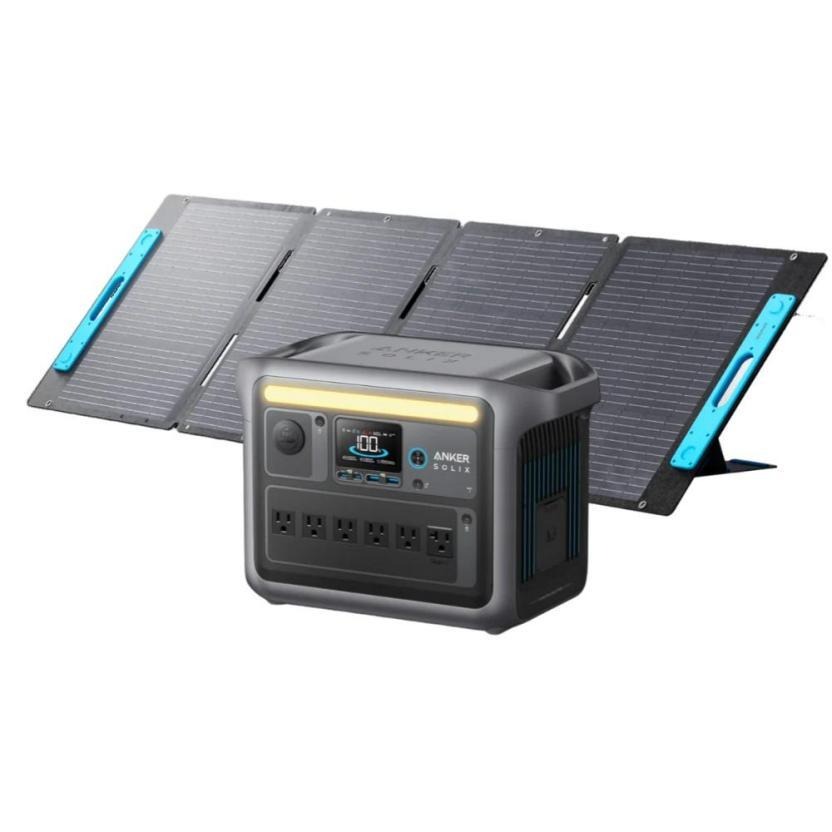
A portable solar panel and battery pack form a simple energy cycle that works well for short outdoor trips. The panel gathers power during daylight hours while the battery stores it for evening and nighttime use. Foldable panels are easy to set up near a tent, picnic table, or vehicle where sunlight is strongest. Systems designed for camping, such as those built around anker solix solar battery pack, often emphasize durable battery chemistry and stable output, which helps them pair smoothly with portable panels in changing outdoor conditions. This type of coordination supports steady charging of everyday electronics without complicated setup. Together, these components create a reliable off-grid power source that fits naturally into campsite routines.
Ensure Gear Compatibility and Cable Connectivity
Even a well-sized power system can be frustrating if cables and ports do not match devices. Checking for the right USB or DC outputs before leaving home avoids charging problems later. Some campers keep a small pouch with labeled cables to stay organized. Cable length also matters because panels may sit in full sun while devices rest in shade. Secure connections prevent accidental unplugging and reduce energy loss. A compatible and tidy setup makes daily charging simpler and more efficient.
4. Execute a Smart Power Strategy
Pre-Charge Battery Pack Fully Before Leaving
Charging the battery pack fully at home provides a strong starting advantage. Wall charging is typically faster and more predictable than relying only on solar energy at camp. A full battery supports device use on the first evening without immediate dependence on sunlight. It also offers backup in case the first day outdoors is cloudy or shaded. This preparation step adds flexibility and reduces early energy stress. Treating pre-charging as part of packing improves overall trip reliability.
Use Solar Panel for Daily Top-Ups During Daylight
Daily solar charging works best when it becomes part of the campsite routine. Panels can be placed in direct sunlight each morning and adjusted as the sun moves. Devices needed soon can charge during peak daylight to reduce battery drain later. Less urgent items can wait until the main battery has recovered energy. Checking charge levels each evening helps guide the next day’s usage. Consistent daytime top-ups keep the system balanced and dependable.
5. The Verdict: A Viable, Reliable Solution
A Well-Planned System Provides Ample Weekend Power
When devices are chosen carefully and energy use is realistic, a solar battery pack can easily support a weekend trip. Modern packs are built to deliver steady output suitable for phones, lights, and small electronics over multiple days. Pairing the right battery capacity with a suitable solar panel allows daily energy recovery that keeps up with normal use. This balance makes it possible to enjoy both essential tools and small comforts without constant worry. Thoughtful planning turns portable solar gear into a dependable campsite utility. A properly matched system proves that off-grid power can be both practical and convenient.
Offers Freedom from Grid and Generator Dependency
One major benefit of a solar battery pack is the independence it brings to outdoor travel. Campsites without electrical hookups become far more flexible when personal devices can still be charged. Quiet solar charging also preserves the natural atmosphere compared with fuel-powered generators. Reducing reliance on disposable batteries simplifies packing and lowers waste. Over time, this approach supports more spontaneous and lightweight travel plans. For weekend camping, the combination of convenience and reliability makes solar battery systems a smart choice.
Conclusion
A solar battery pack is fully capable of powering a well-prepared weekend camping trip when energy needs and equipment are matched thoughtfully. Focusing on essential devices, understanding capacity limits, and using solar charging effectively all contribute to success. Pairing the battery with a portable panel and compatible cables ensures smooth daily operation. Simple habits like pre-charging and daytime top-ups make a meaningful difference in performance. With realistic expectations, portable solar energy can support both safety and comfort outdoors. Careful planning transforms a compact power system into a reliable companion for short adventures.